Being a passenger in an Uber or Lyft accident can be a confusing and stressful experience. You aren’t driving, so you have little control over the crash itself, but the steps you take immediately afterward can make or break your ability to get compensation for your injuries.
In this week’s breakdown, we look at exactly what passengers need to do after an accident, how to handle evidence, and who is actually footing the bill for your medical expenses.
1. The First Priority: Health and Safety
If you are injured in a rideshare vehicle, your first responsibility is your health.
- Call 911: Get police and an ambulance to the scene immediately.
- Get Checked Out: Even if you only feel minor back or neck pain, do not brush it off. Adrenaline can mask injuries.
- Don’t Leave Early: While you have the right to leave the scene, it is always better to wait for the police report to be filed so your presence is documented.
2. Who is in Charge: The Driver or The Passenger?
In a perfect world, the rideshare driver is the “professional” in the situation. They should be the one taking control, calling the police, and gathering information. However, chaos often ensues after a crash.
If you are physically able, do not rely solely on the driver. You should become an active participant in gathering evidence.
- Take photos of the vehicles and the damage.
- Get the contact information of any witnesses on the street.
- Document the position of the cars.
As Attorney Bryant Greening explains: “While the driver is primarily responsible, the passenger is surely capable of helping themselves. If there is going to be an insurance claim, evidence like photos and witness contacts will only strengthen your claim later.”
3. The Critical Step Most Passengers Miss: Contact Info
One of the biggest mistakes passengers make is assuming Uber or Lyft will provide them with everyone’s contact details later. They won’t.
Rideshare companies protect user data and will not release the driver’s or other passengers’ contact information without a court order.
- Exchange numbers immediately: If there was another passenger in the pool or a witness on the sidewalk, get their number before you leave the scene.
- Why it matters: If you lose contact with a key witness, it becomes much harder to prove who was at fault or how severe the impact was.
4. Is the Driver Personally Liable?
A common fear for passengers is that the driver won’t have enough money to pay for their medical bills.
The good news is that in almost all cases, the driver is not personally liable. When a driver is active on the app and has a passenger, Uber and Lyft provide significant liability insurance policies (often up to $1 million) that cover the passengers. Unless the driver did something intentional to cause harm, you will likely be making a claim against this corporate insurance policy, not suing the driver personally.
5. When Should You Call a Lawyer?
The short answer: Immediately.
Insurance companies are businesses designed to pay out as little as possible. Anything you say to an adjuster can be used against you. By hiring a lawyer early, you:
- Preserve Evidence: Lawyers can subpoena street camera footage and data that might otherwise be deleted.
- Avoid Mistakes: Your attorney handles all communication with the insurance company so you don’t accidentally devalue your claim.
- Focus on Recovery: You focus on going to the doctor; your lawyer focuses on the paperwork.
Need Help?
If you or a loved one has been injured in a rideshare accident, do not wait. Contact LegalRideshare for a free consultation. We can help you navigate the insurance maze and ensure your medical bills are covered.
[ Full Transcript]
Jared: Ladies and gentlemen, drivers, gig workers, and everyone in between, welcome to This Week in Rideshare. I’m your host Jared Hoffa. It is Friday, January 9th, and this week we are talking about passenger injuries and if and when you are ever liable. And as always, LegalRideshare breaks it down. Joined by Co-founder and Lead Attorney Bryant Greening.
Bryant: Happy Friday, Jared.
Jared: I think it’d be good to talk about the passenger side. What should a driver do if they get into an accident and it appears the passenger is injured?
Bryant: Great question. If your passenger appears to be injured, the first thing you want to do is make sure they have the medical assistance they need. Call 911, bring an ambulance and police to the scene. This is not a situation to take lightly. If a passenger is complaining of even just back pain, get them checked out. You are the professional in the situation; you need to take control. Second, gather all the information you can — document witnesses, take photos. Don’t be hesitant to gather evidence.
Jared: Do passengers have different rights and responsibilities than drivers?
Bryant: Everyone is looking to the driver in this moment as the one in charge. But yes, there are different responsibilities. The driver needs to make sure the situation is under control.
Jared: As a passenger, what steps should they take?
Bryant: Get medical attention — that is the chief, most important step. After that, if you are physically able, assist in the process. Talk to police, take photos of property damage, gather witness contact info. While the driver is primarily responsible, the passenger is capable of helping themselves. Make sure you report the event to Uber or Lyft so it is documented.
Jared: How important is it that driver and passenger share contact information?
Bryant: Absolutely vital. Uber and Lyft protect that information and do not pass it out unless there is a court order. Having that other person’s contact info can help bring a witness to the scene later to explain what happened. If you lose contact, it becomes much harder to prosecute your claim.
Jared: Is the driver liable personally if the accident is their fault?
Bryant: If a driver causes an accident resulting in injury, the rideshare companies have insurance that protects the driver. The passenger would be making a claim against Uber or Lyft’s insurance policy. It is very rare that a driver would face personal responsibility unless they did something purposeful.
Jared: When should that passenger call a personal injury attorney?
Bryant: Immediately. Leave the scene, get medical attention, and then pick up the phone. Anything you say to the insurance company they will try to use against you. Waiting too long means evidence disappears. Bringing a lawyer on board allows you to concentrate on treatment while we handle the mayhem of insurance adjusters.
Jared: How does LegalRideshare help passengers?
Bryant: We were the first law firm in the US to focus entirely on Uber and Lyft accident claims. We handle the insurance claim, collect evidence, talk to witnesses, and build the foundation. When you are done with treatment, we collect medical records and send a settlement demand. If the offer is good, the case resolves. If they play hardball, we file suit and fight until you get every dollar you are entitled to.
Jared: How do they reach you?
Bryant: LegalRideshare.com. You can call, email, or message us there. Consultations are always free.By Bryant M. Greening, Co-Founder, LegalRideshare LLC
The rise of robotaxis and autonomous vehicles promises to reshape our streets, our safety, and our communities. But if there’s one lesson we should have learned from the last transportation revolution, it’s this: when we let tech companies set the rules, the public pays the price.
Uber and Lyft didn’t just change how we get from Point A to Point B — they upended entire ecosystems. They flooded city streets with drivers, bypassed long-standing taxi regulations, undercut public transportation, and rewrote traffic patterns, all while operating largely free of oversight. Local governments were caught flat-footed, forced to react to disruption instead of guiding it. The result has been chaos: congested streets, confused insurance regimes, and thousands of rideshare drivers and passengers left largely unprotected when crashes happen.
We cannot afford to make the same mistake with robotaxis.
Autonomous vehicles are already being tested and deployed in cities across the country. Silicon Valley giants are racing to dominate the market, and their lobbying dollars are flowing just as quickly. But while these companies promise convenience and innovation, they rarely talk about who bears the cost when something goes wrong. And make no mistake — things will go wrong.
Robotaxis still struggle with complex real-world scenarios: navigating unpredictable pedestrians, interpreting construction zones, reacting to erratic human drivers. Cities need proactive safety standards before these cars hit the streets in volume. This means mandatory testing, transparent reporting of crashes and “near misses,” and clear protocols for pulling unsafe vehicles from service.
Insurance Requirements Must Protect the Public
When an autonomous vehicle causes a crash, who pays? Today, insurance minimums for rideshare companies often leave victims undercompensated and confused about their rights. With robotaxis, the stakes are even higher: will liability rest with the “driver” who isn’t actually driving, the tech company that built the software, or the manufacturer that assembled the car? Without strong insurance minimums and clear assignment of responsibility, injured passengers and pedestrians will be forced into lengthy, expensive fights just to recover basic medical bills.
Tort Law Can’t Be an Afterthought
The legal system isn’t ready for autonomous vehicle crashes. If these cases are treated as products liability claims, victims face a far steeper climb — longer timelines, higher costs, and battles against deep-pocketed corporations with teams of lawyers. Cities must work with state legislatures now to decide how these claims will be handled before robotaxis dominate our roads. For the public’s sake, it makes most sense to treat them as motor vehicle incidents, with liability handled as ordinary auto insurance claims.
We can’t sit idly by and let tech companies dictate the terms. The decisions made today will determine whether autonomous vehicles improve public safety — or undermine it.
Public officials, regulators, and community advocates must demand that these companies come into our cities on our terms, not theirs. Because once robotaxis take over the roadways, we won’t get a second chance to set the rules.
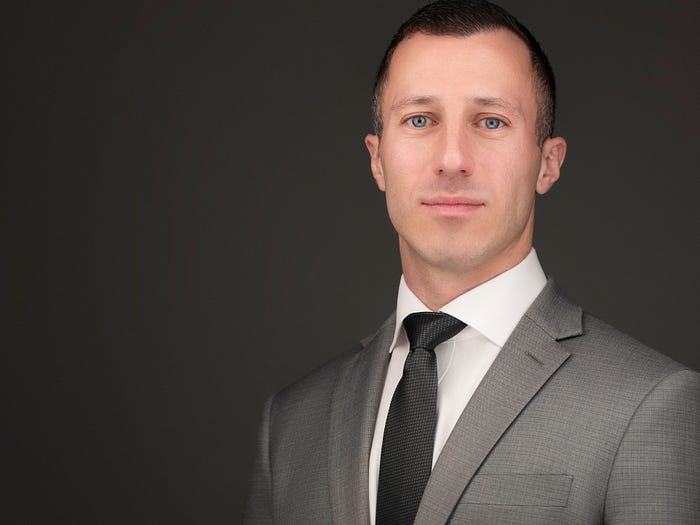
Bryant Greening is the co-founder and managing partner of LegalRideshare LLC, the first law firm in the United States focused on Uber, Lyft and other app-based accident and injury claims.