By Bryant M. Greening, Co-Founder, LegalRideshare LLC
The rise of robotaxis and autonomous vehicles promises to reshape our streets, our safety, and our communities. But if there’s one lesson we should have learned from the last transportation revolution, it’s this: when we let tech companies set the rules, the public pays the price.
Uber and Lyft didn’t just change how we get from Point A to Point B — they upended entire ecosystems. They flooded city streets with drivers, bypassed long-standing taxi regulations, undercut public transportation, and rewrote traffic patterns, all while operating largely free of oversight. Local governments were caught flat-footed, forced to react to disruption instead of guiding it. The result has been chaos: congested streets, confused insurance regimes, and thousands of rideshare drivers and passengers left largely unprotected when crashes happen.
We cannot afford to make the same mistake with robotaxis.
Autonomous vehicles are already being tested and deployed in cities across the country. Silicon Valley giants are racing to dominate the market, and their lobbying dollars are flowing just as quickly. But while these companies promise convenience and innovation, they rarely talk about who bears the cost when something goes wrong. And make no mistake — things will go wrong.
Robotaxis still struggle with complex real-world scenarios: navigating unpredictable pedestrians, interpreting construction zones, reacting to erratic human drivers. Cities need proactive safety standards before these cars hit the streets in volume. This means mandatory testing, transparent reporting of crashes and “near misses,” and clear protocols for pulling unsafe vehicles from service.
Insurance Requirements Must Protect the Public
When an autonomous vehicle causes a crash, who pays? Today, insurance minimums for rideshare companies often leave victims undercompensated and confused about their rights. With robotaxis, the stakes are even higher: will liability rest with the “driver” who isn’t actually driving, the tech company that built the software, or the manufacturer that assembled the car? Without strong insurance minimums and clear assignment of responsibility, injured passengers and pedestrians will be forced into lengthy, expensive fights just to recover basic medical bills.
Tort Law Can’t Be an Afterthought
The legal system isn’t ready for autonomous vehicle crashes. If these cases are treated as products liability claims, victims face a far steeper climb — longer timelines, higher costs, and battles against deep-pocketed corporations with teams of lawyers. Cities must work with state legislatures now to decide how these claims will be handled before robotaxis dominate our roads. For the public’s sake, it makes most sense to treat them as motor vehicle incidents, with liability handled as ordinary auto insurance claims.
We can’t sit idly by and let tech companies dictate the terms. The decisions made today will determine whether autonomous vehicles improve public safety — or undermine it.
Public officials, regulators, and community advocates must demand that these companies come into our cities on our terms, not theirs. Because once robotaxis take over the roadways, we won’t get a second chance to set the rules.
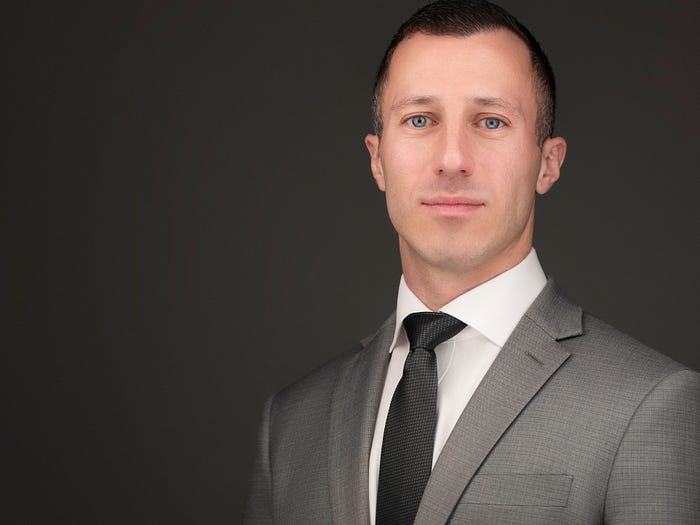
Bryant Greening is the co-founder and managing partner of LegalRideshare LLC, the first law firm in the United States focused on Uber, Lyft and other app-based accident and injury claims.